
What are the Best Socks for Diabetics? A Complete Buying Guide
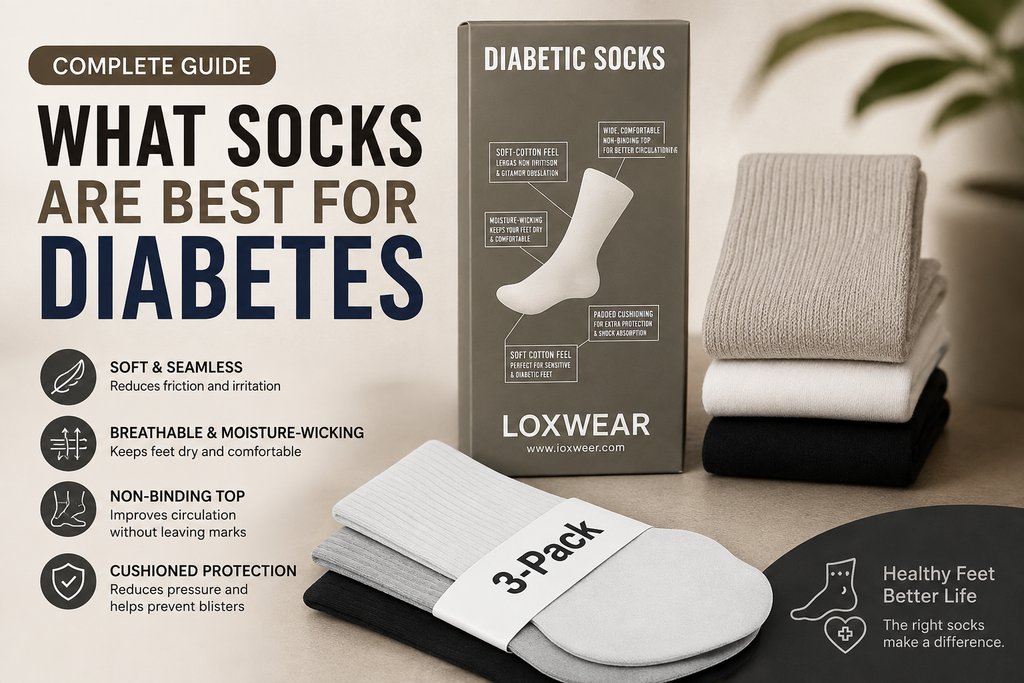
If you or someone you love is living with diabetes, you already know that foot care isn't optional it's essential. High blood sugar can slowly damage nerves and reduce blood flow to your feet, which is why something as simple as the socks you wear every day can make a real difference. In this guide, we'll break down exactly what to look for in a good pair of diabetic socks, why regular socks can actually work against you, and how to choose the right pair whether you're shopping for yourself or a family member.
Why Diabetics Need Special Socks
Diabetes affects the feet in two major ways: nerve damage (neuropathy) and poor circulation. Nerve damage means you might not feel a blister, cut, or pressure point forming until it's already a problem. Poor circulation means those small injuries take longer to heal and are more prone to infection. Ordinary cotton socks with tight elastic bands, rough seams, or moisture-trapping fabric can quietly make both issues worse.
That's the entire idea behind medicated socks for sugar patients they're engineered from the ground up to reduce pressure points, keep feet dry, and avoid restricting circulation, so your feet stay protected without you having to think about it.
Key Features to Look For
Not every sock labeled "diabetic" is actually built for the job. Here's what genuinely matters:
- Non-binding, ultra-soft top band: no tight elastic digging into your calf, which helps maintain healthy circulation.
- Seamless toe closure: reduces friction and pressure points that can lead to blisters or sores.
- Moisture-wicking fabric: keeps feet dry to lower the risk of fungal infections, especially important in Pakistan's hot, humid climate.
- Extra cushioning at the sole and heel: absorbs shock during walking and reduces pressure on sensitive areas.
- Breathable, soft material: gentle on skin that may already be more sensitive due to reduced sensation.
- Non-irritating construction: flat, smooth stitching throughout to avoid rubbing.
If a sock is missing even one of these, it's not doing its full job — which is why it's worth being selective rather than grabbing any pack off the shelf.
What to Watch Out For When Buying Locally
Finding well-made diabetic socks in Pakistan used to mean relying on imported pharmacy stock or generic no-name packs with vague claims. The problem is that a lot of "diabetic" labelling online is just marketing the socks are really just plain crew socks with no actual design changes for diabetic feet.
When shopping locally, check for the specific features listed above rather than trusting the word "diabetic" alone. Look at the seam construction, the type of top band, and the fabric composition before buying and always buy from a source that's transparent about what makes their socks different.
Built for Everyday Comfort at LoxWear
At LoxWear, our diabetic socks collection is designed specifically around these needs — non-binding tops, seamless toe construction, cushioned soles, and breathable fabric that holds up through a full day of wear. We carry multiple styles across our SensiSox, Pulse Ease, Dia Lite, and MediBlast ranges, available in both ankle and crew lengths for men and women, so you can pick the fit and look that suits your routine.
Whether you're looking for daily-wear basics or a multi-pack to stock up for the whole week, our range of socks for diabetic patients is built to be comfortable enough to forget you're wearing them which is exactly the point.
How to Choose the Right Pair for You
- Check the size and fit. Socks that are too tight defeat the purpose, even if the label says "diabetic." Make sure the band sits comfortably without leaving marks.
- Pick your length. Ankle socks work well for daily casual wear, while crew length offers more coverage and is often preferred for extended standing or walking.
- Buy in multi-packs. Since these socks need to be worn daily and changed often to stay dry, a 3-6 pair pack is more practical than buying single pairs.
- Prioritize breathable fabric over pure cotton, especially in warmer cities like Karachi and Lahore, where moisture buildup is a bigger concern.
- Replace them regularly. Elastic and cushioning wear out over time, so it's worth refreshing your sock drawer every few months.
Frequently Asked Questions
Can diabetic socks actually prevent foot problems?
They significantly reduce the risk factors friction, pressure, and moisture that commonly lead to blisters, sores, and infections. They're a preventive tool, not a substitute for regular foot checks or medical care.
How are they different from compression socks?
Compression socks apply graduated pressure to boost circulation, which isn't always safe for diabetics with certain conditions. Socks designed for diabetic feet are specifically non-binding and avoid unnecessary pressure, making them the safer everyday choice unless a doctor recommends compression specifically.
Are woman early signs of diabetic feet different from men?
Woman early signs of diabetic feet are largely the same as in men — numbness, tingling, dry skin, and slow-healing cuts — or swelling during pregnancy, which is why daily self-checks are especially important. If you notice any woman early signs of diabetic feet, don't delay a visit to your doctor.
How often should diabetic patients change their socks?
Daily, at minimum and more often if feet sweat heavily. Keeping feet dry is one of the simplest ways to lower infection risk.
Can non-diabetics wear them too?
Absolutely. The soft, seamless, breathable design makes them a genuinely comfortable everyday option for anyone who's on their feet a lot, regardless of diabetes status.
Final Thoughts
Choosing the right socks might seem like a small decision, but for diabetic feet, it's one of the easiest and most effective daily habits you can build. Look past the label and check for the real features non-binding tops, seamless construction, cushioning, and breathable fabric before you buy.
Explore the full LoxWear diabetic socks collection and find the pair that fits your routine, your climate, and your comfort.