
Is It Okay to Wear Diabetic Socks If You're Not Diabetic?
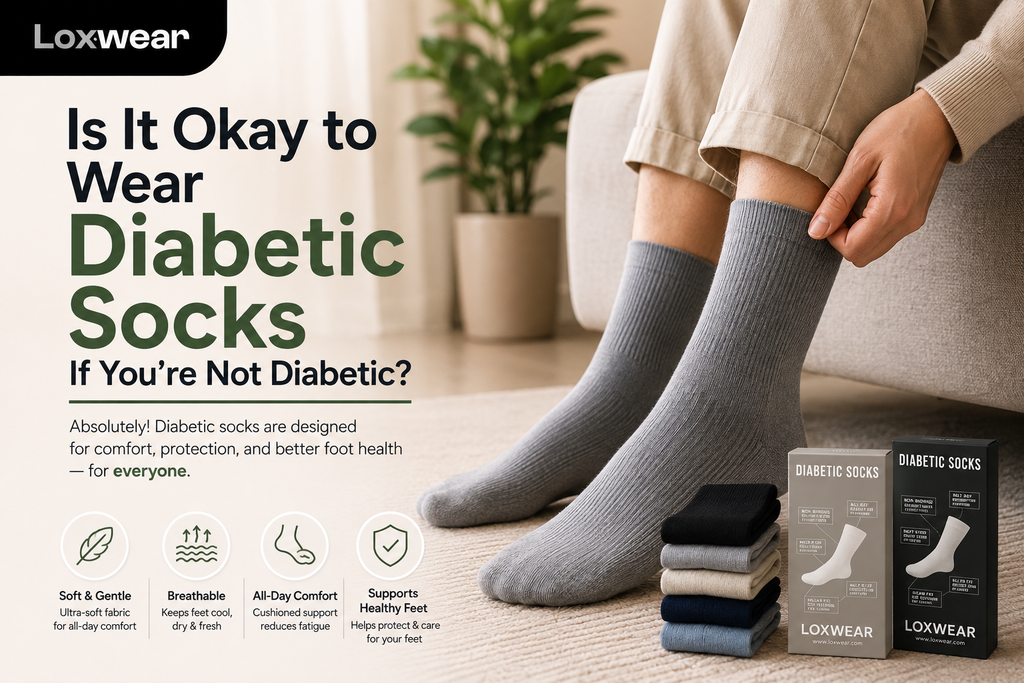
Walk into any sock aisle today and you'll spot a growing number of options marketed specifically for people managing blood sugar issues. But here's a question that comes up more often than you'd think: can someone without diabetes wear these too? The short answer is yes and in many cases, it's a genuinely smart choice.
What Makes These Socks Different
The design behind a diabetes sock isn't complicated, but it solves real problems. People living with diabetes often deal with reduced circulation and nerve sensitivity in their feet, so manufacturers build these socks without tight elastic bands, with extra cushioning, and with seamless toe construction to prevent rubbing and irritation. Moisture wicking fabric is also standard, since damp feet create the kind of environment where blisters and fungal issues thrive.
None of these features are exclusive to a medical condition. They're just good sock engineering. A tight, aggressive band around the calf can leave marks and restrict blood flow for anyone who's on their feet all day, not just someone managing diabetes. Extra padding at the heel and ball of the foot benefits runners, warehouse workers, nurses, and travellers just as much as it benefits someone monitoring circulation.
Who Actually Benefits From Them
You don't need a diagnosis to have foot discomfort. If you spend long hours standing, deal with swelling after flights, have naturally sensitive skin, or simply want socks that don't leave a dent around your ankle by the end of the day, these socks solve that. Athletes appreciate the seamless construction because it reduces friction during repetitive movement. People recovering from minor foot injuries often find the non-binding fit more comfortable during healing. Even people who just want a sock that lasts longer and holds its shape wash after wash tend to gravitate toward this category once they try it.
The moisture control feature deserves a special mention. Whether you have diabetes or not, sweaty feet trapped in cotton socks all day is a recipe for odor and skin breakdown. Fabrics designed to pull moisture away and dry quickly are useful in basically every climate, and especially in hot, humid environments.
Any Downsides to Consider
There isn't much of a downside for a healthy person choosing these over regular socks. The main consideration is fit preference some people who are used to a snugger compression-style sock might find the looser, non-binding design takes a little getting used to. Price can also be slightly higher than a basic cotton pack, since the construction involves more thoughtful materials and stitching. But for most people, that's a reasonable tradeoff for comfort and durability.
Making the Switch
If you're curious about trying a pair, look for the same qualities that matter for diabetic wearers: seamless toe seams, breathable fabric, and a soft non-elastic top band. These details are what separate a well-made diabetes socks option from a standard pack you'd grab off any shelf. Brands that build comfort-first legwear, including specialized sock lines, are increasingly popular with people who have zero connection to diabetes management they just want their feet to feel good by hour ten of a long day.
At the end of the day, comfort driven design isn't gatekept by a medical condition. If a sock reduces pressure points, manages moisture, and holds up over time, it's worth wearing regardless of why it was originally designed. Trying lox wear socks or a similar comfort focused pair is a low risk way to see if this style fits your daily routine better than what you're currently wearing.
So yes go ahead and wear them. Your feet won't know the difference, and they might just thank you for it.
Frequently Asked Questions
Do I need a doctor's recommendation to wear them?
No. There's no prescription or diagnosis required. Anyone can pick up a pair and wear them like regular legwear.
Will they feel different from my normal socks?
Mostly in a good way. Expect a looser, non-binding top band and smoother seams. If you're used to tight compression styles, it may feel a bit different at first, but most people adjust within a day or two.
Are they only useful for people who stand all day?
Not at all. They also help with sweaty feet, minor foot sensitivity, travel swelling, and everyday comfort, even for people who are mostly seated.
Do they cost more than regular socks?
Sometimes slightly more, due to the seamless construction and higher-quality fabric, but the difference is usually small compared to the comfort gained.
Can athletes wear them for workouts?
Yes. The seamless toe design and moisture-wicking fabric make them a solid choice for running, gym sessions, and other high-movement activities.
So yes go ahead and wear them. Your feet won't know the difference, and they might just thank you for it.