
What You Need to Know About Diabetic Socks
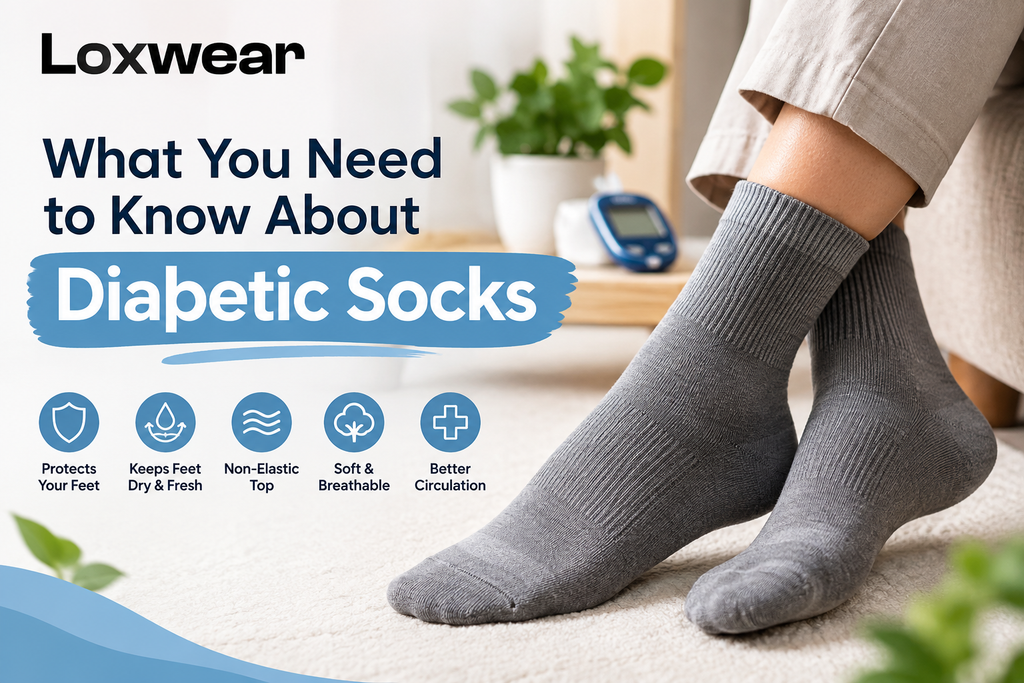
Foot care is one of the most overlooked parts of managing diabetes. High blood sugar over time can damage nerves and reduce blood flow to the feet, which means small cuts, blisters, or pressure spots may go unnoticed and heal slowly. This is where the right pair of socks makes a real difference. Here is a clear look at what diabetic socks are, how they work, and how to choose them.
What Are Diabetic Socks?
Diabetic socks are specially designed to protect sensitive feet and support healthy circulation. Unlike regular socks, they are made to minimize friction, reduce moisture, and avoid anything that could restrict blood flow. Many people assume they are only for those with advanced diabetes, but anyone with diabetes, neuropathy, or poor circulation can benefit from wearing them daily.
Key Features to Look For
Non-binding tops. Standard socks often have tight elastic cuffs that leave marks on the skin. Diabetic socks use loose, stretchy tops that hold the sock in place without squeezing the leg, allowing blood to flow freely.
Seamless construction. Regular socks have thick toe seams that can rub against the skin and cause blisters or sores. Seamless or flat-seam designs remove this pressure point, which is especially important for people who have reduced feeling in their feet.
Moisture-wicking fabric. Damp feet are more prone to fungal infections and skin breakdown. Fabrics such as bamboo, cotton blends, and acrylic pull sweat away from the skin and keep feet dry throughout the day.
Extra cushioning. Padded soles absorb shock and reduce pressure on the heel and ball of the foot, which helps prevent ulcers and soreness during walking or standing.
Light colors. Some pairs come in white or pale shades so that any blood or drainage from an unnoticed wound is easy to spot.
Understanding Medicated Socks
You may also come across medicated socks, a term often used for socks that contain added properties such as antimicrobial treatment, moisturizing agents, or infused fibers like copper or silver. These are designed to reduce odor, limit bacterial growth, and keep skin soft. While they can add an extra layer of care, it is best to check with a healthcare professional before relying on any sock for treating a foot condition.
Choosing Diabetic Socks for Men
Finding diabetic socks for men is easier than it used to be, as more styles are now available beyond the plain white athletic look. Men can choose from crew, ankle, and over-the-calf lengths, and from dress or casual designs that fit into an office or everyday wardrobe. When shopping, prioritize a proper fit: socks that are too tight restrict circulation, while socks that are too loose can bunch up and create friction. Measure your foot size accurately and choose a sock that lies smooth against the skin.
Tips for Everyday Use
- Change socks daily, and more often if your feet sweat heavily.
- Inspect your feet every day for redness, blisters, cuts, or swelling.
- Avoid wearing socks with holes or darned areas.
- Wash socks according to the label to preserve their fit and fabric quality.
- Never go barefoot, even at home.
FAQs
Who should wear diabetic socks?
People with diabetes, neuropathy, poor circulation, or sensitive feet can benefit. They are also useful for those who spend long hours standing or walking.
Can diabetic socks cure foot problems?
No. They help prevent problems by reducing pressure, friction, and moisture, but they are not a treatment. Any wound or persistent symptom should be examined by a doctor.
How often should I replace them?
Replace them when the fabric thins, the elastic loosens, or the cushioning flattens, typically every six months with regular use.
Are diabetic socks only available in white?
No. Many brands now offer them in a range of colors and styles, including dress and casual options.
Do I need a prescription?
In most cases, no. They are widely available without one, although a doctor can recommend the best type for your needs.
Final Thoughts
Diabetic socks are a simple, low-cost way to protect your feet and lower the risk of complications. Look for a non-binding top, seamless design, moisture control, and comfortable cushioning, and pair them with daily foot checks and regular medical care. Small habits like these go a long way toward keeping your feet healthy.